In this episode, I introduce the next category of rudiments: Flams. Make sure to practice in front of a mirror to make sure you are executing the strokes properly. For a complete list of rudiments, please Episode 5.
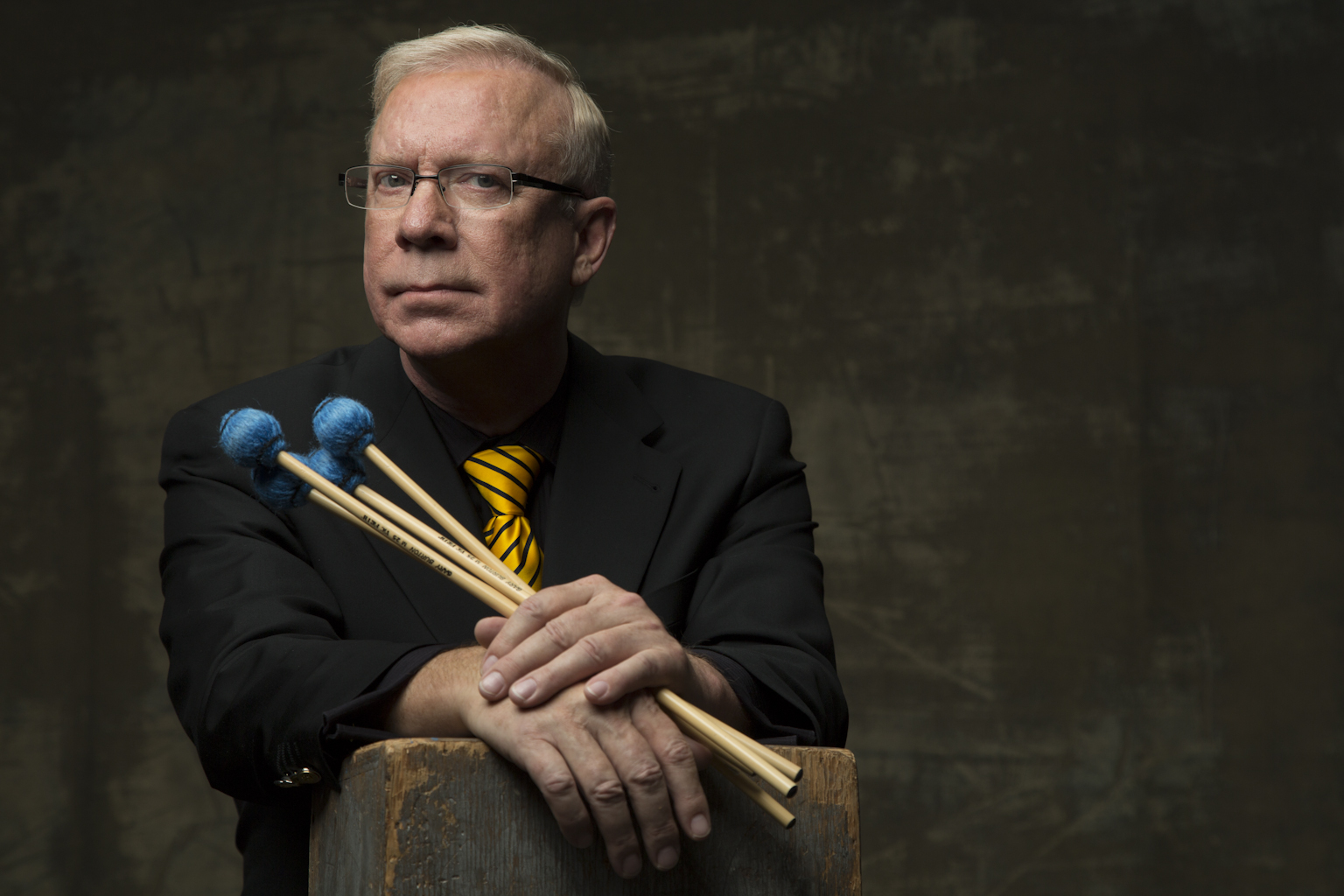
BookChattr is in full swing and I hope you are enjoying reading the book. As you know, we are reading Learning to Listen: The Jazz Journey of Gary Burton: An Autobiography by Gary Burton. This post will discuss chapters 3-9 and will include listening examples as mentioned in the book.
Chapters 3 – 5 take place in Gary’s early years (around 1959 – 1962). He continues to talk about growing up in Indiana and starting college at the Berklee School of Music. Chapters 6 – 9 are the beginning of the section marked “Apprenticeship” and include his move to New York (when he meets Joe Morello), his time with George Shearing and then Stan Getz. I am enjoying reading about his experiences and lessons he is learning at a very young age.
“Sometimes, we play because we really want to play; sometimes we play as a favor for another musician; and sometimes, it’s just because we need the money. Despite countless hours of practice and concentration to elevate our art, we all too often have to put that aside because of circumstances.” – Gary Burton [Chapter 4, pg. 48-9]
Below, you will find the listening resources. I am also going to put together a Spotify playlist and I will add a link to it on this post. If you find something that is not correct or missing, please let me know.
Chapter 3: The Local Scene The Nashville All-Stars – After the Riot at Newport
httpvh://www.youtube.com/watch?v=slZ4vg5L-8g
Chapter 4: College Bound
No musical examples
Chapter 5: New Adventure New Vibe Man in Town (1961) [Gary’s First Album as a Leader] – Selections
Chapter 6: “Autumn in New York” Who is Gary Burton? – Selections [with Clark Terry (trumpet), Bob Brookmeyer (valve trombone), Phil Woods (alto sax), Gary Burton (vibraphone), Tommy Flanagan (piano), John Neves (bass), Chris Swansen (drums)]
In this episode, we continue our snare drum rudiments and introduce the double and triple paradiddle. For a complete list of the rudiments, check out Episode 5.