Episode 001: Snare Drum Set-Up
In this episode of Percussion Education we will talk about setting up the snare drum. What is the correct height and playing position for the snare drum? Please leave your questions and comments below.
Level: Beginning

In this episode of Percussion Education we will talk about setting up the snare drum. What is the correct height and playing position for the snare drum? Please leave your questions and comments below.
Level: Beginning
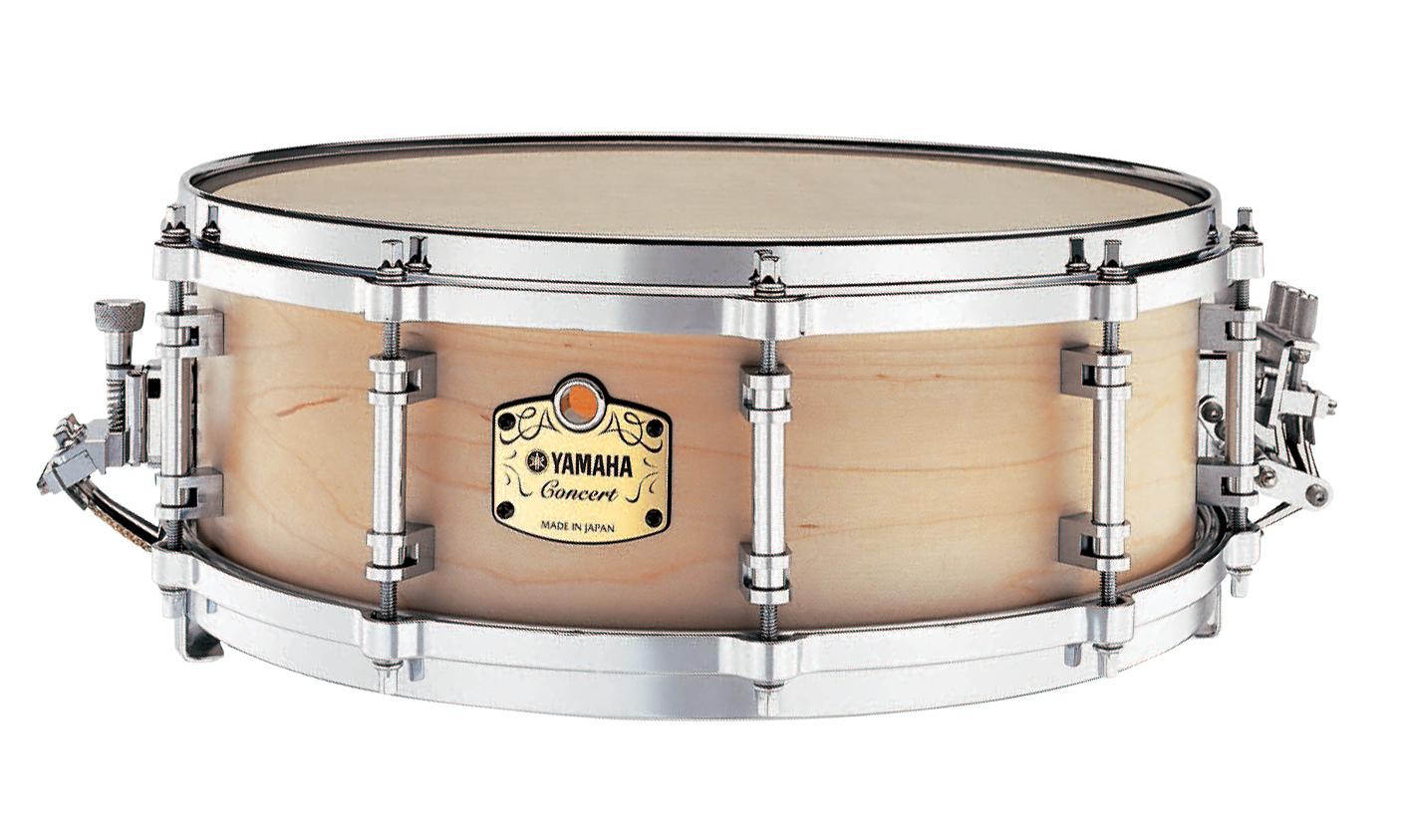
In September, I shared my updated snare drum warm-up. It was my hope to start the conversation about creating a unified warm-up that hit all the basic building blocks on snare drum in a 10-15 minutes. I would love to hear if anyone has been using it and if it has worked. I found over the past 6 months, that it has helped me focus and prepare for my practice session along with getting me warm.
I also feel that while I enjoy using the warm-up I needed a metronome to keep me honest and continue to push me. So, I decided to program my metronome with the different lines so I could be more effective in my execution of the warm-up. (I have written before about my favorite metronome app for the iPhone. Tempo Advanced is a killer app and is the best $2 you will ever spend. It is now available on iPhone and Android and has recently been updated to include polyrhythms. More about that in a future article). I programmed each line of the warm-up into Tempo Advanced and created a set list that progresses through the entire sheet. I wanted to figure out a way to share this everyone and it wasn’t until last night (when I found Reflector) that I was able to record my iPad screen. I uploaded the video to YouTube and now anyone can use this video to practice with the sheet music. In the future, I would like to program it at different tempos. Before I do that, I would like some feedback from you. Let me know what you think. Does it work for you? Is there anything I should change?
Have a great weekend and happy practicing.
As an educator and professional performer, I have noticed that over the years, my practice time has decreased for one reason or another. I have also noticed that the older I get, the harder it is for me start playing without first warming up. This summer, I decided to sit down and write out a snare drum warm-up/routine that I could do every day that would take 10-15 minutes. Today, I want to present my warm-up and talk about each exercise that comprises the warm-up. I know there are a ton of other warm-ups that have been posted and written down (see below for a brief list). Creating a warm-up routine is an individual process and what works for me will not work for everyone. It is my goal that you will take this warm-up, use it for a couple of weeks, and then begin to create your own. I know that over time, I will be editing and updating this warm-up, but here’s the warm-up as it stands:
As I was putting together this warm-up, I wanted to accomplish these goals:
1) It had to be 10-15 minutes. If it was longer, I don’t think I would do it every day.
2) It had to hit the major muscle groups and technical demands required to play snare drum.
3) It had to be something I could share and continue to develop/adapt over time.
With that being said, here’s the rationale for the exercises I chose:
A: I wanted to start with 8 in a hand. I have been teaching Percussion Methods this semester (the first time since grad school) and in the Gary Cook book, he uses the term “cloning” when he has both hands play at the same time. The first exercise does 8 in a hand with both hands playing together. Make sure to start at a slow tempo and use a lot a big range of motion to the get the muscles loose. To take this to the next level, use the fulcrum in the back of your hand to warm up the big muscles in your arm.
B: Now that the blood is flowing, I wanted to do some singles. I use Tempo Advance’s speed up function to increase the speed of the metronome by 2 every time I repeat this exercise. This allows me to start slow and increase the speed gradually throughout the exercise.
C: Next are paradiddles. This is the first time I start to use my arms as I do a wrist lift to execute the accents. To make it different, I start the exercise with triple paradiddles.
D: Next are flams. I go back to 8 on a hand and add flams at the beginning. This also introduces the down stroke on the last eighth note of each measure.
E: More flams. This incorporates 4 flam rudiments that are very common in the Wilcoxin Rudimental books. As I was growing up, I didn’t practice Flamacues beginning on the LH as much as I should have and this helps to work on them.
F: After 8-9 minutes, my hands are ready for rolls. I like to work on double and triple/multiple bounce rolls during my warm-ups so I can work on my fine motor skills. I generally do these exercises for 30 seconds and then switch hands. Make sure that once you start you don’t change the tempo.
G: Long Rolls. Just Relax!
That’s it. Try it out and let me know what you think. What is missing? What do you like and dislike?
Here are some other snare drum warm-up routines:
1) Master Technique Builders for Snare Drum: Actual Daily Practice Routines Used by The Professionals
Cirone has compiled warm-up routines from some of the greatest teachers and professionals. This is an excellent book and great place to start if you are developing your out routine.
2) Jeff Queen’s 10 Minute Warm-Up
3) Left Hand Workout and Snare Drum Warm-ups by Frank Gibson Jr.
—–
Originally posted on DrumChattr.com on September 23, 2013.
We are all bombarded with technology everyday. Laptops, smartphones, tablets, and recording devises have had a positive impact on the way I teach lessons. It seems like everyday there is a new app, device or service that promises to change the world. Without going into a debate about which platforms are better, I am going to detail how I use technology in my percussion studio. I hope this article will lead to a discussion about what others are using in their classroom. Obviously, this post doesn’t apply to only percussionists and it will be great to hear what other instrumentalists are using in their studios.
Dropbox
 Dropbox has become my main source of storage and sharing for all of my students. I used to use Google Docs, but it wouldn’t allow me to upload videos. I have multiple folders that I use and share with my students. This is how I use Dropbox:
1) A Folder for the Entire Percussion Program
2) A Folder for Each Private Student
I really like the ease of using Dropbox. I can drag anything into the folder to share it with my students. There are two problems I have found with using Dropbox:
1) If someone drags something out of the folder, it disappears from every one’s folder. (This is only an issue in the beginning when people don’t know how to use Dropbox.)
2) The process of setting up the studio folder takes time. You have to copy all of the email addresses into the web interface. Luckily, this only happens once a semester.
The upside to using Dropbox far outweighs the downside.
Dropbox is a free service and includes 5 GBs when you sign up. For most people, that is plenty. You can purchase addition storage ($99/year for 100GBs). You can also get free upgrades by inviting people to use DropBox, linking your FaceBook or Twitter account, and leaving feedback. I have been using Dropbox for a couple of years and I have acquired 25 GBs from inviting people and taking advantage of the promotions they offer.
Video
Video is an important element of my studio, not just to record performances but also to check out technical issues. I use video in a lot of lessons and here are some of the ways I utilize it:
1) Recording Performances of Pieces
2) Recording Technical Issues
More recently, I have taken the use of video to the next level with a program called Coach’s Eye. This program makes me feel like the John Madden of percussion lessons. According to their website, Coach’s Eyes allows “instant video analysis and slow-motion review for players and coaches.” This is also a perfect tool for any musician! Once I have taken a video on my iPhone or iPad (also available for Android), the program allows me to can play the video back at 60 frames/sec, draw lines, zoom and other marks on the video to demonstrate things to review. If you thought close up videos were revealing, try this out! You will either love or hate the app immediately, but it worth checking out this app, especially at $.99 (on sale until 11/12/13).
Metronome
 I have written two reviews (Tick Tock – iPhone Metronome Reviews and Tick Tock – iPhone Metronome Reviews, Part 2) on Frozen Ape’s Tempo Advance app for iOS and it still by far my favorite metronome on the iPhone. (It is now available on Android).
I use this in every lesson and practice session. Here are some of the ways I use Tempo Advance:
1) It has replaced my large metronome. I haven’t pulled out my Dr. Beat or Tama Rhythm Watch since I started using this app. That saves me money on batteries and I don’t have to carry around a big metronome.
2) The speed up function is the killer function. I would pay $20 or more just for this feature. Here’s how it works: I was working on a 8 bar phrase in Marc Mellit’s Tight Sweater, movement 4. (If you have ever played this piece, you will know what I am talking about). I have set-up a 9 bar phrase to start at 80 BPM and speed up 2 BPM ever sequence. This allows me to stay focused on the task and not have to stop every time I want to speed up the metronome. This may seem like a minor issue (or as Merlin Mann would call it, a “First World Problem”), but I say if the technology is available, use it. I also use this function in my Snare Drum Warm-up, Line B.
Also check out Time Guru (available for iOS and Android). According to their website, Tim Guru was “developed by rhythm guitarist Avi Bortnick (John Scofield Band), Time Guru is the only metronome with the ability to mute its sound at random, in patterns, or both, so that you can assess whether you tend to rush or drag. Time Guru periodically leaves you on your own so that you strengthen your own internal sense of time, rather than relying on the constant, rigid, external time keeping of a metronome. Sometimes the training wheels should come off! It is the ultimate tool for becoming a rock-steady, time guru.” While the interface is not very intuitive, the concept is excellent and hopefully if more people use the metronome it will get updated.
Sight Reading
There are many ways to practice sight reading and no one does it as much as they should (myself included). As of today, there are 72,644 works available to sight read on IMSLP Petrucci Music Library. If you have a laptop or tablet, you can download PDFs to read anytime. I suggest that students download piano music and get two laptops or tablets so one person can read the bass clef and one person can read the treble clef. I think it is always more fun to practice sight reading with a partner.
 If you are looking for an app, I would suggest SRMachine. This app generates unlimited sight reading material on your iPhone or iPad ($2.99). You can set the time signature, note values, rests, ties, dynamics, articulations and tempo. Once it has generated an exercise, you can push play and the metronome will count off the piece and you can play along with the built in instruments (including Guitars, Strings, Brass, and Woodwinds. Hopefully they will add marimba in the future.) I really like using this app because you never get the same piece twice. I am sure there is something available on Android.
Other Apps to Check out:
Slow Down Music Player: This app allows you to import MP3 files from your music library so that you can slow them down for transcribing and slow practice. The app slows down the MP3 while maintaining the pitch. I know this is not the only app that is available, but I have used it and it is helpful.
iReal Pro: If you practice jazz changes, you need this app. This app is a band-in-a-mobile device that accompanies you as you practice. You input or collect the chord changes from the internet (for free) and the app plays them back at various tempos and styles. The app is $7.99, but it easily replaces systems like the Jamey Aebersold play back CDs, especially having the ability to change tempos.
Spotify: I have to include Spotify in my list of recommendations even though I am sure you all know about Spotify or other streaming internet music services. I like Spotify because of the large selection of classical music. When I get called for a symphony gig, I can listen to 5 or more versions of the piece when I am preparing the part for FREE! There are also paid versions of the app, but I have never needed to purchase it if I am at my laptop. You can also send links to students directly from the app. I also used it for listening assignments that I assign to my university percussion students.
Conclusion
There are so many (maybe even too many) resources for the modern percussion teacher and student that sometimes it is difficult to pick what works best. I primarily use iOS devices, but most of the apps I have described above are on both platforms. I know that there are variations of each of these app and if you have another app which you think I should check out, please leave your recommendations below in the comments. Not all of these apps will work for everyone but I would suggest trying to incorporate some of these apps into your everyday lesson plans. With some practice, these apps will be a welcome addition to any music studio.
—–
Originally posted on DrumChattr.com on November 10, 2013.
The photo in this post is used under the Creative Commons License by Mervi Eskelinen on Flickr.com.

 Everyone has (or should have) a warm-up routine that should be part of your daily practice routine. Last September, I posted my Snare Drum Warm-Up and accompanying metronome track. Today, I want to share my roll warm-up/workout sheet.
When creating this warm-up, I wanted to make sure to include roll exercises that started and ended on different hands. I have found that a lot of warm-ups are generally based on a dominate hand system or are alternations between foundation and rolls. Each of these exercises begin with the foundation followed by the rolls. You can use utilize double and multiple rolls. In an upcoming post, I will post some metronome practice tracks.
Let me know what you think of this warm-up. What do you use to work on your rolls? Please share your thoughts below and happy practicing!
It’s really easy to get caught up in the success and failures of your career.
It’s human nature to identify our worth with the ups and downs of what is immediately happening. Maybe you just performed a piece that didn’t go so well. The result of this has always been for me to feel like I don’t even belong in the percussion world. Or – on the opposite side of the universe – maybe you just composed a piece for your ensemble and they learned it quickly, efficiently and it sounds great. All of a sudden, you feel like you should be on top of the percussion writing world.
What’s important is for us to realize is that if you’re having these ups and downs, it just means that you’re passionate about what you do. Every career runs in to some hard times, and that’s only magnified in the arts fields. But, at the end of the day, we’re all fortunate to know precisely what we’re passionate about. Many people wake up and go to work on a job they don’t really care for because they don’t know what else to do. As percussionists, we couldn’t imagine doing anything else besides percussion. We’re lucky because of that.
Elizabeth sums this up much more elegantly than I do…
While summer should include some rest and relaxation it can also be a time, for those of us in academia especially, to get some big things done. My big project this summer is to learn Maki Isshi’s Concertante for a trip later this summer to Japan. I’ve always wanted to learn and perform this work and since I’m going to Japan I’m going to find a way to make it happen! If you want, check out the PATV below which addresses summer opportunities, and leave some thoughts for the DC community. Do you have any big projects that you want to complete this summer? Going to any percussion related seminars?
httpvh://youtu.be/_xgQOG1JWIU
** BTW: Openings are still available for the Longhorn Marimba Intensive! This year our guest artist is PAS Hall of Fame member, and marimba guru, Gordon Stout! Click the link above for registration and more information.
I still remember the first time I performed Bicksa during my undergrad. At that point in my career, it was largest piece I had ever set up and at first, I hated it. But, after many rehearsals and late nights, I realized what a great piece it was! Bicksa was written by Thom Hasenpflug. I have been fortunate to get to know Thom and his music over the years and I happy to finally spread the news about his new piece, Smoke and Mirrors. The piece was premiered on last week by the Ensemble Schlagwerk Wien, directed by Nebojsa J Zivkovic. This post features the video of the dress rehearsal. If you don’t know Thom’s music, please go to his website and check out his pieces.
Originally posted on DrumChattr on May 13, 2014 by Dave Gerhart.
Oblivion by Astor Piazzolla
Recorded by Aaron Jester at the University of Oregon’s Beall Hall.
Mallets: Innovative Percussion Pius Cheung Series #1, 3, 3, 4
Originally posted on DrummChattr.com on April 4, 2014 by Dave Gerhart
The results from Trinidad and Tobago’s Panorama 2014 are in and the winners are:
Large Conventional Steel Orchestras
1st place: 287 – Phase II Pan Groove
2nd place: 286 – Trinidad All Stars
3rd place: 283 – Renegades
4th place: 281 – Desperadoes
5th place: 279 – Exodus
6th place: 274 – Silver Stars
7th Place: 271 – Invaders and Skiffle Bunch
9th place: 267 – Fonclaire
10th place: 262 – La Brea Nightingales and Tropical Angel Harps
Medium Conventional Steel Orchestras
1st place: 284 – Pan Elders
2nd place: 281 – Buccooneers
3rd place: 277 – Sound Specialists of Laventille
4th place: 276 – Katzenjammers
5th place: 272 – Arima Angel Harps, Valley Harps and Couva Joylanders
8th place: 271 – Melodians
9th place: 266 – Steel Xplosion and Dixieland
Pan Elders Panorama 2014 Champion Medium Band
Originally posted on DrummChattr.com on March 2, 2014 by Dave Gerhart

Skype Lessons with Dr. Gerhart